

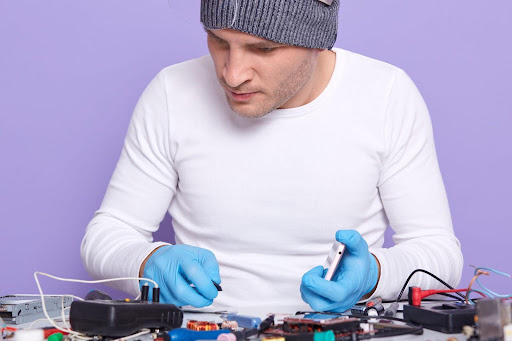
Liquid exposure can compromise an electronic device within minutes, affecting both visible components and internal circuitry. In such situations, choosing a water damage repair service with a warranty early in the process helps ensure the device is restored using certified procedures rather than temporary fixes. Understanding what actually happens during a professional restoration process allows users to make informed decisions and avoid irreversible damage.
Initial Device Intake and Condition Assessment
Technicians document the device’s condition, note the type of liquid exposure, and isolate the power source immediately. This step is critical because even minor delays can worsen corrosion and internal short circuits.
- Power Isolation and Safety Measures
The device is powered down and disconnected from all energy sources to stop electrical flow. This prevents active short circuits that could permanently damage the motherboard. Proper handling at this stage protects both the device and the technician.
- External and Internal Inspection
Technicians examine visible signs such as moisture residue, corrosion marks, or screen distortion. The device is then carefully opened to assess internal components. This detailed inspection determines the extent of liquid penetration.
- Damage Classification and Repair Planning
Based on inspection findings, technicians classify the severity of damage. This helps establish a clear restoration path, required tools, and timeframes. Accurate planning avoids unnecessary part replacements later.
Controlled Disassembly and Component Isolation
Rather than surface-level cleaning, professionals disassemble the device methodically to isolate vulnerable components. This ensures no trapped moisture remains hidden inside sealed areas.
- Precision Disassembly Techniques
Devices are opened using specialized tools that prevent physical stress on delicate parts. This approach avoids cracked connectors or torn cables, which are common risks in untrained handling.
- Component Segmentation
Sensitive elements such as logic boards, cameras, speakers, and batteries are separated. Each part is handled individually to prevent cross-contamination of moisture or corrosion.
- Documentation for Reassembly Accuracy
Each step is documented to ensure accurate reassembly later. This reduces the risk of missing connections or misaligned components once restoration is complete.
Advanced Cleaning and Corrosion Removal
Certified restoration focuses on removing both moisture and microscopic contaminants that ordinary drying cannot address. This stage plays a major role in device recovery success.
- Ultrasonic and Solution-Based Cleaning
Logic boards and affected components are cleaned using professional-grade solutions. These break down corrosion and mineral deposits without damaging circuitry. The process reaches areas that manual cleaning cannot.
- Residue Neutralization
Different liquids leave different residues, some acidic and others conductive. Neutralizing these residues prevents ongoing chemical reactions that degrade components even after drying.
- Moisture Elimination at the Micro Level
Specialized drying chambers remove trapped moisture from beneath chips and connectors. This ensures internal dryness, reducing the chance of delayed failures.
Diagnostic Testing and Functional Evaluation
This phase identifies which components remain functional and which require repair or replacement. It also clarifies water damage repair costs in Auckland by separating salvageable parts from irreparable ones.
- Circuit Integrity Testing
Technicians test electrical pathways to confirm that signals flow correctly. This helps detect hidden breaks or shorts caused by corrosion.
- Component Performance Checks
Individual parts such as displays, speakers, and charging modules are tested separately. This ensures replacements are only recommended when absolutely necessary.
- Data Integrity Verification
For devices containing important data, storage components are checked for stability. Early identification of data risks allows for recovery planning before further steps.
Precision Repair and Component Replacement
Rather than replacing entire assemblies, certified technicians focus on precise fixes. At this stage, clients often evaluate the value of proceeding based on the earlier assessment of water damage repair service with warranty coverage and repair scope.
- Micro-Level Repairs
Skilled technicians perform soldering and trace repairs under magnification. This restores damaged circuits without affecting nearby components.
- Selective Component Replacement
Only failed parts are replaced using compatible, quality-tested components. This maintains device integrity and avoids unnecessary cost escalation.
- Stability Verification Before Reassembly
Repaired sections are tested before full reassembly. This ensures stability and reduces the risk of reopening the device later.
Reassembly and Final Quality Assurance
Quality assurance confirms that the restoration meets certified performance standards and that no secondary issues remain unresolved.
- Structured Reassembly Process
Components are reinstalled in a controlled sequence to ensure proper alignment and connection. This minimizes mechanical stress and connection errors.
- Multi-Stage Functional Testing
The device undergoes repeated tests covering power, connectivity, audio, display, and charging. This ensures reliable day-to-day performance.
- Extended Observation Period
Devices are often monitored for a set period after reassembly. This helps identify delayed issues that might not appear immediately.
Cost Transparency and Client Communication
Clients are kept informed about findings, options, and expected outcomes, especially when discussing water damage repair costs in Auckland relative to device value.
- Detailed Repair Breakdown
Repair recommendations are explained in clear terms, outlining what is essential versus optional. This empowers clients to make informed decisions.
- Cost-to-Value Comparison
Clients receive guidance on whether repair offers better value than replacement. This approach prioritizes practicality over unnecessary expenditure.
- Post-Repair Guidance
Users are advised on care practices to prevent future liquid damage. This extends the life of the restored device.
Conclusion
A certified liquid damage restoration process combines technical precision, structured diagnostics, and quality assurance to bring compromised devices back to reliable working condition. Choosing a water damage repair service with a warranty adds an essential layer of confidence, ensuring that the restoration is not only thorough but also supported by accountability and professional standards, making repair a dependable alternative to replacement.
For those seeking dependable restoration backed by experience and technical precision, working with specialists who follow certified processes makes a meaningful difference. With a strong focus on quality assurance, transparent communication, and long-term device reliability, NZ Electronics Repair provides a trusted option for liquid damage restoration that aligns expertise with customer confidence.