

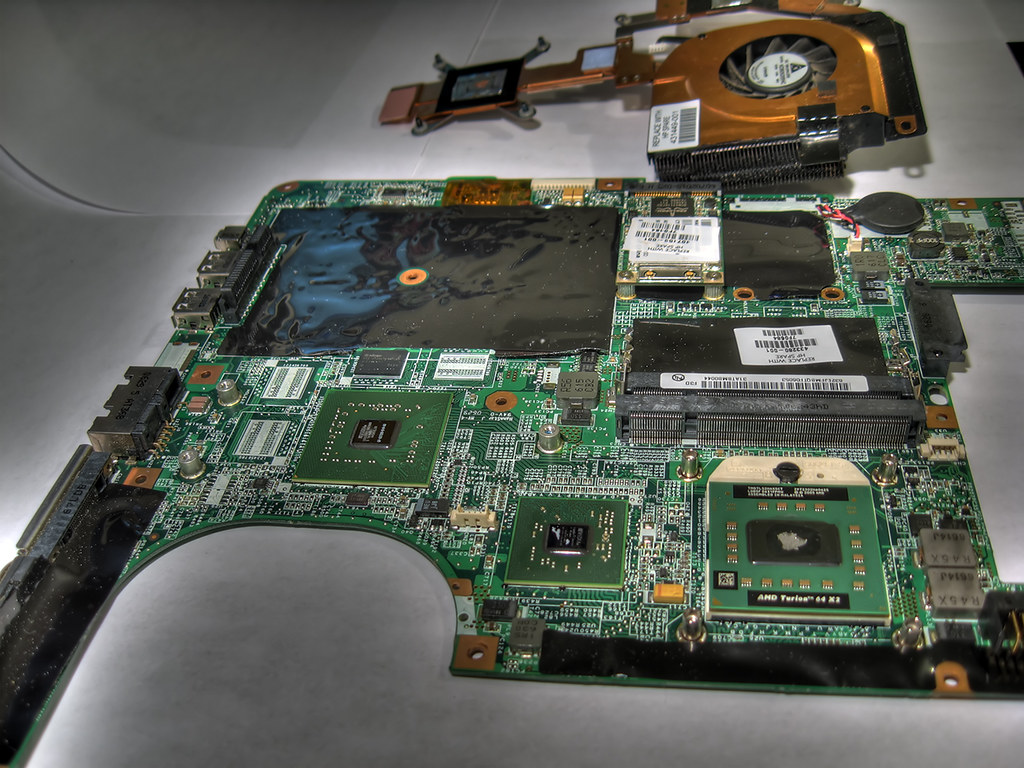
GPU as a Service is set to revolutionize the tech landscape, with projections indicating a market value of USD 37.10 billion by 2035. This growth opens new opportunities for businesses and developers alike.
Understanding GPU as a Service
GPU as a Service (GaaS) is an innovative cloud computing model that allows users to access powerful graphics processing units remotely. This service enables businesses and individuals to leverage high-performance computing capabilities without the need for significant upfront investments in hardware.
The rise of GaaS is largely driven by the increasing demand for data-intensive applications, including:
- Machine learning and artificial intelligence
- Gaming and virtual reality
- Big data analytics
- 3D rendering and simulation
As organizations continue to seek cost-effective and scalable solutions, the GaaS market is expected to grow significantly. According to recent forecasts, it is projected to reach USD 37.10 billion by 2035. This growth can be attributed to the flexibility and efficiency that GaaS provides, allowing companies to pay only for the resources they use.
In addition, the accessibility of GaaS can democratize technology, providing smaller enterprises with access to advanced computing resources that were once reserved for larger organizations. As we look toward the future, investing in GPU as a Service may offer a strategic advantage for those looking to stay competitive in an increasingly digital landscape.
Market Trends for 2035
As the demand for high-performance computing continues to surge, the GPU as a Service market is poised to experience significant growth. Analysts project that the market will reach USD 37.10 billion by 2035, reflecting a transformative shift in how businesses utilize computational resources.
Several key trends are driving this evolution:
- Increased Adoption of AI and Machine Learning: Organizations are leveraging GPU as a Service to enhance their data processing capabilities, enabling faster and more efficient AI model training.
- Cloud Computing Expansion: The growing reliance on cloud infrastructure facilitates easier access to GPU resources, making it more appealing for companies to adopt this service model.
- Cost-Effectiveness: By opting for GPU as a Service, businesses can reduce the upfront costs associated with hardware purchases, paying only for what they use, which is particularly beneficial for startups.
- Interdisciplinary Applications: From gaming to scientific research, the versatility of GPU services is attracting a wider array of industries, further fueling market growth.
These trends indicate that investing in GPU as a Service could be a strategic move as companies prepare for the technological demands of the future.
Benefits of GPU as a Service
The GPU as a Service (GaaS) model presents numerous advantages that could make it a compelling investment by 2035. Companies looking to leverage advanced computing power without the upfront costs of hardware can significantly benefit from this approach.
- Cost Efficiency: GaaS allows businesses to pay only for the GPU resources they use, reducing the need for hefty initial investments in hardware.
- Scalability: Organizations can easily scale their GPU usage based on demand, making it ideal for projects with fluctuating workloads.
- Access to Cutting-Edge Technology: With rapid advancements in GPU technology, GaaS enables companies to access the latest hardware without frequent upgrades.
- Improved Collaboration: Teams can collaborate efficiently by leveraging cloud-based GPU resources, facilitating real-time data processing and analysis.
- Focus on Core Business: By outsourcing GPU management, companies can concentrate on their primary objectives rather than dealing with the complexities of hardware maintenance.
As the demand for high-performance computing continues to rise, the benefits of GPU as a Service will likely position it as a leading option for businesses looking to innovate in the coming years.
Challenges in Adoption
Despite the promising outlook for GPU as a Service, several challenges hinder its widespread adoption. One significant hurdle is the high initial cost of infrastructure. Organizations must invest in robust data centers and reliable networking capabilities to leverage GPU resources effectively.
Moreover, the complexity of integrating GPU as a Service into existing workflows can deter businesses. Companies often face difficulties in adapting their applications and processes to utilize these powerful computing resources, requiring specialized knowledge and training that may not be readily available.
Another challenge is related to security and compliance. As organizations move sensitive data to cloud-based GPU services, concerns about data privacy and regulatory compliance escalate. Companies must ensure that providers adhere to stringent security protocols to safeguard their information.
Additionally, performance variability can be a concern. Unlike on-premises solutions, cloud-based services may experience fluctuations in speed and availability, which could impact critical applications.
Finally, the lack of standardized benchmarks for evaluating GPU performance in a service model complicates the decision-making process, leaving potential adopters hesitant about making the investment.
Key Players in the Market
The GPU as a Service market is rapidly evolving, attracting attention from various technology giants and startups alike. Several key players are emerging as frontrunners in this space, offering innovative solutions and competitive pricing.
- NVIDIA: A leader in graphics processing technology, NVIDIA has expanded its offerings to include GPU as a Service, leveraging its powerful hardware and software capabilities.
- Amazon Web Services (AWS): AWS provides robust cloud computing services, including GPU instances that enable businesses to access powerful processing without significant upfront investment.
- Microsoft Azure: With its scalable infrastructure, Microsoft Azure is poised to capture a significant share of the GPU as a Service market, catering to industries ranging from gaming to machine learning.
- Google Cloud: Google Cloud’s GPU offerings are designed for high-performance computing, making it an attractive option for developers and researchers alike.
- Smaller Startups: Numerous startups are also entering the market, providing niche solutions that cater to specific needs, further diversifying the landscape.
As competition intensifies, it remains to be seen how these players will adapt to the shifting demands of the market in the coming years.
Investment Opportunities
As businesses increasingly turn to cloud solutions, the GPU as a Service model presents significant investment opportunities for the coming years. This innovative approach allows companies to access powerful graphics processing units without the heavy upfront costs associated with traditional hardware purchases.
Several factors contribute to the attractiveness of investing in GPU as a Service:
- Growing Demand: With the rise of artificial intelligence, machine learning, and data analytics, the need for high-performance computing resources is expected to surge.
- Scalability: GPU as a Service offers flexible pricing models that enable businesses to scale their computing power according to specific project needs.
- Cost Efficiency: By leveraging cloud services, organizations can minimize operational costs related to hardware maintenance and energy consumption.
- Access to Expertise: Many leading service providers offer not just infrastructure but also support and guidance, making it easier for companies to implement advanced technologies.
In conclusion, as the market for GPU as a Service continues to expand, early investments in this sector may yield substantial returns by 2035, positioning companies at the forefront of technological advancements.
Comparing GPU Services
As businesses increasingly turn to cloud solutions, comparing GPU services has become crucial for decision-makers. Different providers offer varying specifications, pricing models, and service levels, making it essential to assess each option carefully.
- Performance Metrics: Look for benchmarks that illustrate the computing power of different GPU offerings. Performance can vary significantly based on architecture and intended use.
- Scalability: Choose a service that allows for easy scaling, enabling businesses to adjust their GPU resources based on fluctuating demands.
- Cost Structure: Evaluate pricing models, such as pay-as-you-go versus subscription-based plans. Understanding long-term costs can lead to better budgeting.
- Support Services: Reliable customer support can differentiate providers. Assessing the quality and availability of technical assistance is vital for smooth operations.
- Integration Capabilities: Ensure that the GPU as a Service solution integrates well with existing IT infrastructure and software applications.
In conclusion, a thorough comparison of GPU services will empower organizations to make informed decisions, optimizing their investments in this rapidly evolving market.
Future Predictions for AI
The future of artificial intelligence (AI) is poised for significant evolution, driven by advancements in technology and increasing demand for computational power. As AI applications become more complex, the reliance on efficient computing solutions will grow, making GPU as a Service an attractive option for businesses and developers alike.
Experts predict that by 2035, the AI landscape will be dominated by more sophisticated machine learning models, requiring extensive resources that traditional computing may struggle to provide. This surge in demand will likely push the GPU as a Service market to an estimated value of USD 37.10 billion.
Key predictions for the future of AI include:
- Increased integration of AI across various industries, including healthcare, finance, and transportation.
- A rise in edge computing, allowing for faster processing and reduced latency.
- Enhanced collaboration between AI and human intelligence, leading to improved decision-making processes.
- Greater accessibility to powerful AI tools through cloud-based services like GPU as a Service, democratizing technology for smaller players.
As companies continue to explore AI solutions, the shift towards using GPU as a Service may well become a cornerstone of their strategic investments.
By Razor512 via Openverse
Read the original
You might also like
- Huawei Watch GT 6: Best Smartwatch with Proven Health Features
- Crypto Transaction Clearing: Proven Review by First12trust
- Redmi Turbo 6 Max Specifications: Best Features Revealed