

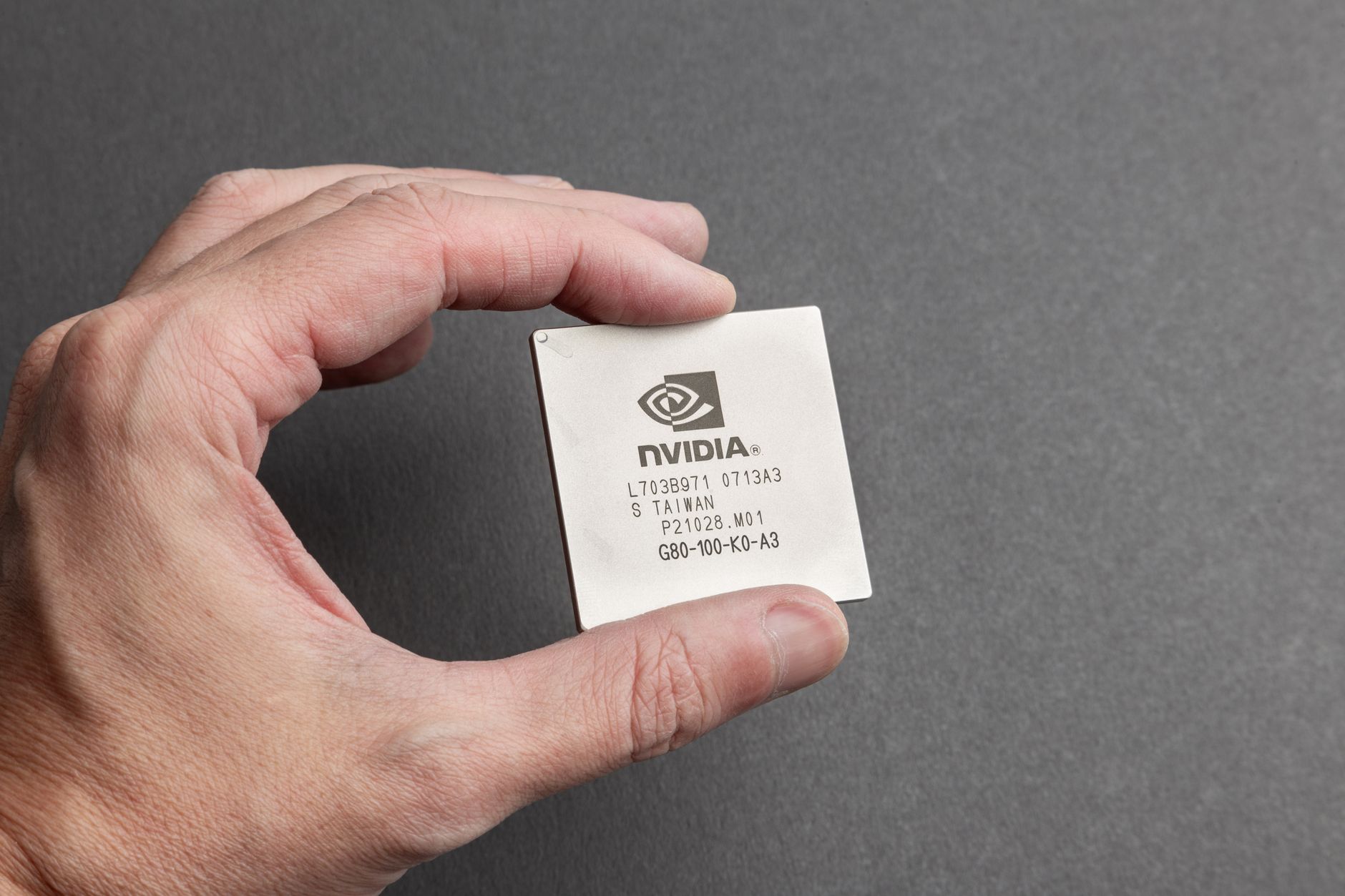
Nvidia chip sales are expected to hit an impressive $430 billion this year, highlighting the company’s strong position in the semiconductor industry.
Overview of Nvidia’s Market Position
Nvidia has solidified its position as a leader in the semiconductor industry, with projections indicating robust chip sales this year. The company’s innovative approach and strong demand for its products have resulted in an impressive forecast of $430 billion in revenue.
This remarkable growth can be attributed to several key factors:
- Technological Advancements: Nvidia continually invests in research and development to enhance its chip technology, ensuring it remains at the forefront of the market.
- Diverse Applications: The versatility of Nvidia chips caters to various sectors, including gaming, artificial intelligence, and data centers.
- Strategic Partnerships: Collaborations with major tech companies have expanded Nvidia’s reach and solidified its market presence.
As demand for advanced computing power increases, Nvidia chip sales are expected to maintain their upward trajectory, positioning the company for continued success in the coming years.
Factors Driving Nvidia Chip Sales Growth
Nvidia chip sales are poised for significant growth due to several key factors influencing the market. First, the increasing demand for artificial intelligence (AI) and machine learning applications has led to a surge in the need for high-performance computing. This trend is driving businesses to invest in Nvidia’s advanced chips, which are tailored for these technologies.
Another important aspect is the expansion of data centers worldwide. As companies seek to enhance their cloud computing capabilities, the reliance on Nvidia chips has become more pronounced. Furthermore, the gaming industry continues to thrive, with gamers seeking better graphics and performance, which Nvidia delivers through its cutting-edge products.
Lastly, strategic partnerships and collaborations with major tech companies have strengthened Nvidia’s position in the market, ensuring a steady flow of demand for its chips. Collectively, these factors contribute to the optimistic forecast for Nvidia chip sales, projected to reach unprecedented levels this year.
Nvidia Chip Sales: What to Expect This Year
Nvidia chip sales are expected to reach unprecedented levels this year, with projections indicating a remarkable revenue of $430 billion. This significant growth can be attributed to several key trends in the technology sector.
Firstly, the increasing demand for artificial intelligence and machine learning applications is driving the need for advanced GPUs. Companies across various industries are harnessing Nvidia’s powerful chips to enhance their computing capabilities.
Moreover, the expansion of gaming and virtual reality markets continues to fuel sales. As more consumers seek high-performance graphics for immersive experiences, Nvidia’s latest offerings are positioned to capitalize on this trend.
Additionally, the rise of data centers and cloud computing services further bolsters demand for Nvidia chips, as businesses require robust processing power to manage vast amounts of data.
Overall, the synergy of these factors suggests that Nvidia chip sales will not only meet but potentially exceed current expectations this year.
Impact of AI on Nvidia’s Revenue
The surge in artificial intelligence (AI) applications is significantly impacting Nvidia’s revenue, particularly in chip sales. As companies across various sectors adopt AI technologies, the demand for high-performance chips has skyrocketed.
Industry analysts predict that this trend will continue, contributing to Nvidia’s projected revenue of $430 billion this year. The company’s GPUs, renowned for their efficiency in processing AI tasks, are becoming essential for businesses looking to enhance their operations through machine learning and data analysis.
Several factors are at play:
- Increased Investment: Companies are investing heavily in AI research and development, boosting demand for Nvidia chips.
- Expansion of Cloud Services: The rise of cloud computing platforms requires advanced processing power, further driving sales.
- Versatile Applications: From healthcare to finance, AI is integrated into various industries, expanding Nvidia’s customer base.
Overall, the interplay between AI advancements and Nvidia chip sales is set to redefine market dynamics.
Future Trends in Semiconductor Industry
The semiconductor industry is undergoing significant transformations, driven largely by advancements in technology and shifting market demands. As companies increasingly invest in artificial intelligence and machine learning, the reliance on high-performance chips, such as those produced by Nvidia, is growing. Industry experts predict that Nvidia chip sales will continue to thrive, with projections reaching $430 billion in revenue this year alone.
Several trends are expected to shape the future landscape of the semiconductor market:
- Increased Automation: The demand for automated solutions in various sectors will drive the need for powerful chips.
- Expansion of IoT Devices: The proliferation of Internet of Things devices necessitates advanced semiconductor technology.
- Focus on Sustainability: Companies are prioritizing energy-efficient chips, influencing design and manufacturing processes.
- Global Supply Chain Resilience: Strengthening supply chains will be crucial in meeting rising demand for chips.
These trends indicate a vibrant future for Nvidia and the overall semiconductor sector.
Photo by Stas Knop on Pexels
Read the original
Related stories
Oppo Reno17 leak: Best specs and features revealed · Samsung Galaxy Z Foldables: Are They the Best Choice for 2027? · AI Adoption vs Advantage: The Right Path for GCCs