

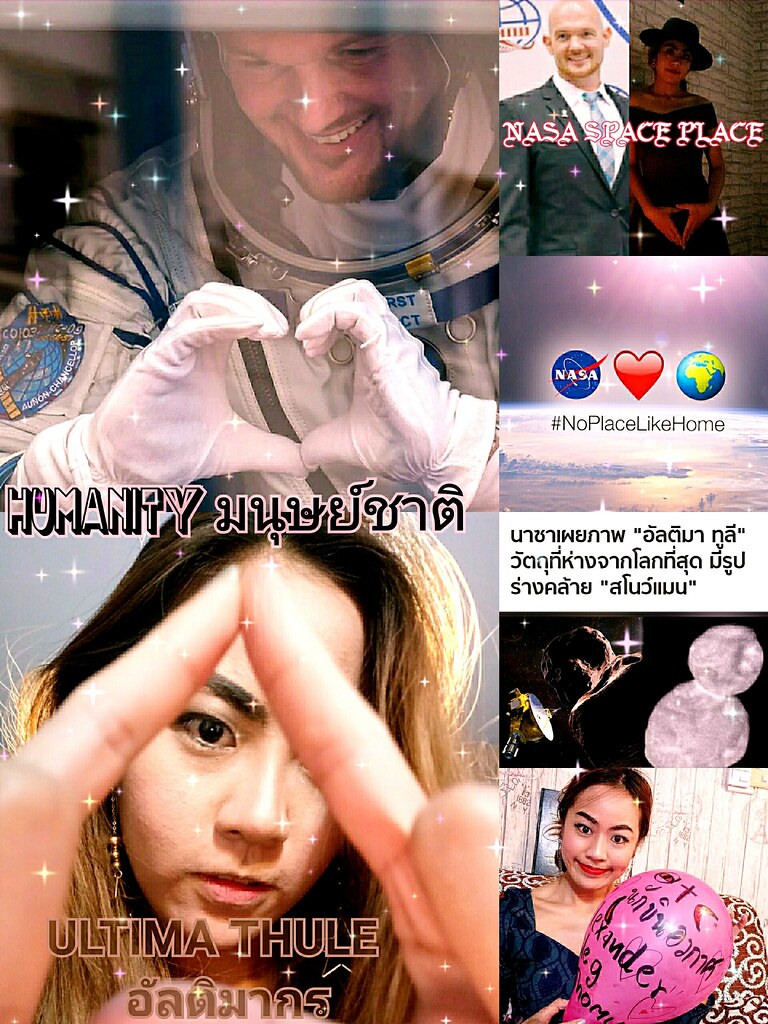
Space families are increasingly relevant as astronauts connect with loved ones from afar. Joshua Kutryk watching Katherine Grace from orbit highlights the emotional bonds that transcend distance in space exploration.
Understanding Space Families
As humanity ventures deeper into space, the concept of space families is becoming increasingly relevant. These families, often formed by astronauts and their loved ones, face unique challenges as they navigate the complexities of life both on Earth and in orbit. Understanding the dynamics of space families is crucial as it impacts mental well-being and the overall success of missions.
When astronauts like Joshua Kutryk communicate with their families during missions, it reveals much about the emotional bonds that sustain them. This connection can serve as a source of strength, helping astronauts cope with the isolation of space travel. However, the challenges include:
- Time zone differences
- Limited communication windows
- Emotional strain due to distance
By recognizing these factors, space agencies can better support their astronauts and maintain the vital connections that make up space families. Addressing these needs will ensure that both missions and families thrive in the vastness of space.
The Importance of Emotional Support in Space
In the unique environment of space, emotional support becomes paramount for astronauts and their families. The challenges of living and working in orbit can strain relationships, making it essential for space families to maintain strong connections. During missions, astronauts experience significant physical and psychological stress, which can be alleviated through ongoing communication with loved ones.
Research indicates that emotional well-being directly impacts performance in high-stress situations, such as those encountered in space. As a result, programs designed to foster interaction between astronauts and their families have emerged as vital components of space missions. These initiatives aim to create a sense of normalcy and support, allowing space families to share experiences and maintain bonds.
Moreover, tools like video calls and social media have revolutionized how space families connect, providing real-time interactions that help bridge the gap created by distance. Ultimately, fostering emotional support is crucial for the success and mental health of those involved in space exploration.
How Astronauts Stay Connected
Astronauts aboard the International Space Station (ISS) maintain their connections with loved ones back on Earth through a variety of innovative methods. These approaches are essential for supporting space families during long missions.
- Video Calls: Astronauts can participate in scheduled video calls with their families, providing a face-to-face connection that helps bridge the distance.
- Email: With limited internet access, astronauts use email to send messages, share experiences, and receive updates from their loved ones.
- Social Media: Many astronauts engage with their families and the public through social media platforms, sharing their journey and maintaining a sense of normalcy.
- Personal Items: Having personal mementos onboard can help astronauts feel closer to home, reinforcing the emotional ties that are vital for space families.
These methods not only enhance the astronauts’ morale but also strengthen the bonds within space families, making the experience of living and working in orbit more manageable.
Joshua Kutryk’s Experience in Orbit
Joshua Kutryk, an astronaut who recently experienced life in orbit, shared his insights on the unique challenges of being part of a space family. While in the International Space Station, he had the opportunity to watch his daughter, Katherine Grace, through live video feeds, creating a connection that transcended Earth’s atmosphere.
“Seeing her smile while I floated above the planet was an incredible moment,” Kutryk remarked. He emphasized how these fleeting interactions can strengthen bonds, even when physical presence is impossible. For space families, maintaining emotional ties is crucial, as the separation can be daunting.
Kutryk also discussed the importance of communication tools and strategies that help astronauts feel closer to their loved ones. He encourages those in space to prioritize these connections, as they are essential for mental well-being. Ultimately, his experience illustrates how space families navigate the complexities of love and support, ensuring that distance does not diminish their relationships.
Katherine Grace’s Role in Space
Katherine Grace plays a pivotal role in the dynamics of space families. As a family support specialist, she focuses on the emotional well-being of astronauts and their loved ones during missions. Her efforts are vital in ensuring that astronauts maintain strong connections with their families while in orbit.
Grace’s work involves providing resources and support to families, helping them navigate the unique challenges of having a loved one in space. She organizes communication sessions, where families can send messages and share experiences, fostering a sense of togetherness despite the physical distance.
One of the key aspects of her role is to facilitate bonding between astronauts and their families through innovative technology, ensuring that these connections remain strong. As space exploration continues to advance, the concept of space families becomes increasingly important, highlighting the need for emotional support systems that can withstand the challenges of being away from home.
In this context, Grace’s contributions are invaluable in nurturing the relationships that matter most.
Challenges of Family Life in Space
Living in space presents unique challenges for space families that can strain relationships and emotional well-being. The isolation and confinement of a spacecraft often lead to heightened stress levels, impacting communication among family members.
Some of the main challenges faced by space families include:
- Distance: The physical separation due to long missions can create feelings of loneliness and detachment.
- Lack of Routine: The absence of familiar daily routines can disrupt family dynamics and stability.
- Emotional Strain: The pressure of space missions can lead to anxiety for both astronauts and their families on Earth.
- Communication Barriers: Limited communication opportunities can hinder emotional support and connection.
As astronauts like Joshua Kutryk and Katherine Grace navigate these challenges, finding ways to maintain emotional bonds becomes essential for the well-being of space families. Understanding and addressing these challenges is crucial for fostering resilient relationships in orbit.
Future of Space Family Connections
The future of space family connections is evolving as space exploration advances. As missions grow longer and more complex, ensuring that astronauts maintain strong ties with their families becomes increasingly crucial. Space families will need to adapt to new technologies and methods of communication to bridge the gap created by distance and time.
Innovations in virtual reality and augmented reality could play a pivotal role in enhancing the emotional connections between astronauts and their loved ones. These technologies may allow families to experience shared moments, even when separated by vast distances. Additionally, ongoing research into mental health support will be vital in addressing the unique challenges that come with family life in space.
As humanity continues to push the boundaries of space travel, the importance of nurturing space families will remain at the forefront of discussions about life beyond Earth. Building robust support systems will be essential for the well-being of both astronauts and their families.
By illuminati_NASAANOMA WIRLD via Openverse
Read the original
- WhatsApp message scheduling: The Best Proven Feature Yet
- Vivo X500 launch: Best features and specifications revealed
- Galaxy Watch 8 health features: Best proven updates