

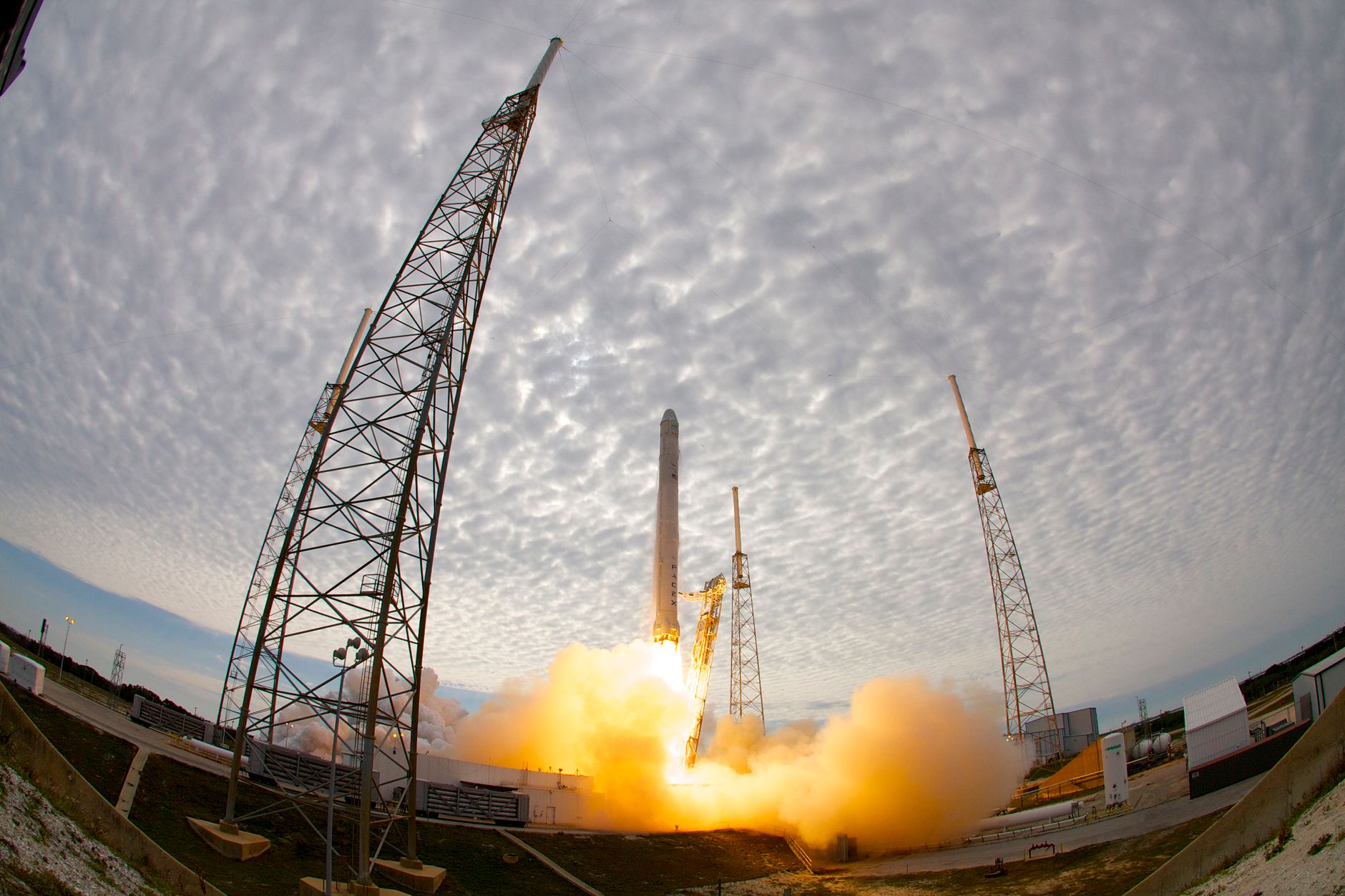
rocket launched into orbit marks a significant achievement for Europe, as it successfully completes its first mission into space. This event highlights the growing capabilities of European space agencies.
Overview of the Launch
In a groundbreaking achievement for the European space community, a rocket was launched into orbit for the first time ever. This historic milestone marks a significant advancement in Europe’s capabilities in space exploration and satellite deployment.
The launch took place on an unseasonably clear day, with thousands of spectators gathered to witness the momentous event. Engineers and scientists worked tirelessly for years to develop the technology required for this successful mission.
The rocket, designed to carry a variety of payloads, showcased cutting-edge innovations that promise to enhance Europe’s position in the global space race. The mission’s success is expected to generate interest in future projects and encourage further investment in space technology.
Key highlights of the launch include:
- Launch Vehicle: A state-of-the-art rocket built with advanced materials.
- Mission Objective: To deploy multiple satellites into low Earth orbit.
- Future Prospects: Plans for more launches to follow, expanding Europe’s reach into space.
The successful rocket launch into orbit is not just a technical victory but a symbol of European unity and ambition in space exploration.
Significance of the Mission
The recent event of a rocket launched into orbit marks a significant achievement for Europe, showcasing the continent’s growing capabilities in space exploration. This milestone not only demonstrates technological advancement but also emphasizes the collaborative efforts of various nations and organizations within Europe.
As the first time a European rocket has successfully reached orbit, this mission paves the way for future projects that could enhance scientific research, satellite deployment, and international partnerships. The implications of this success are manifold:
- Boosting Innovation: The mission showcases Europe’s ability to innovate in aerospace technology, potentially attracting investment and talent.
- Strategic Autonomy: Achieving independent access to space reduces reliance on external entities and strengthens Europe’s position in the global space race.
- International Collaboration: The mission exemplifies how countries can work together towards common goals, fostering unity and shared knowledge in space endeavors.
In conclusion, this rocket launched into orbit is not just a technical success; it represents a hopeful future for European space exploration and a step forward in the quest for knowledge about our universe.
Future of European Space Exploration
The successful launch of a rocket into orbit marks a pivotal moment in European space exploration. With this achievement, Europe is positioned to expand its presence in the competitive space industry significantly.
Looking ahead, several key areas of focus are emerging for European space initiatives:
- Collaboration with International Partners: Strengthening ties with other space agencies, such as NASA and ISRO, will enhance technological developments and knowledge sharing.
- Advancements in Technology: Continued investment in innovative technologies, including reusable launch systems and satellite capabilities, is essential for cost-effective future missions.
- Commercial Opportunities: The recent success paves the way for private sector involvement, encouraging startups to engage in satellite launches and space tourism.
- Scientific Research: Future missions will aim to explore planetary bodies and conduct research that can lead to breakthroughs in various scientific fields.
As Europe embarks on this new chapter of exploration, the implications of a rocket launched into orbit extend beyond national pride, promising advancements that could benefit humanity as a whole.
Technical Details of the Rocket
The recent launch marks a significant achievement in European aerospace engineering, as the rocket launched into orbit represents a culmination of years of research and development. This state-of-the-art vehicle is equipped with advanced propulsion systems and cutting-edge technology that ensures optimal performance in space.
Key technical specifications of the rocket include:
- Height: The rocket stands at an impressive 30 meters, making it one of the tallest in its class.
- Payload Capacity: Capable of carrying up to 1,500 kilograms into low Earth orbit, the rocket is designed to support a variety of missions.
- Engine Type: The launch vehicle uses a hybrid propulsion system, combining solid and liquid fuels for enhanced efficiency.
- Launch Site: The rocket was launched from a newly established spaceport in French Guiana, chosen for its strategic location near the equator.
This mission not only showcases Europe’s technical capabilities but also sets the stage for future explorations, potentially paving the way for international collaborations in space research.
The successful launch marks a significant achievement for Europe, as the rocket launched into orbit demonstrates the continent’s growing capabilities in space exploration. Experts believe that this rocket launched into orbit will pave the way for future missions and scientific discoveries.
Photo by SpaceX on Pexels
References
Related reading
- Qualcomm chip prices: Worst hike in years with AI PC launch
- AI model fatigue: The real challenge for companies today
- Is SpaceX Starship Flight 13 the Best Test Launch Yet?