

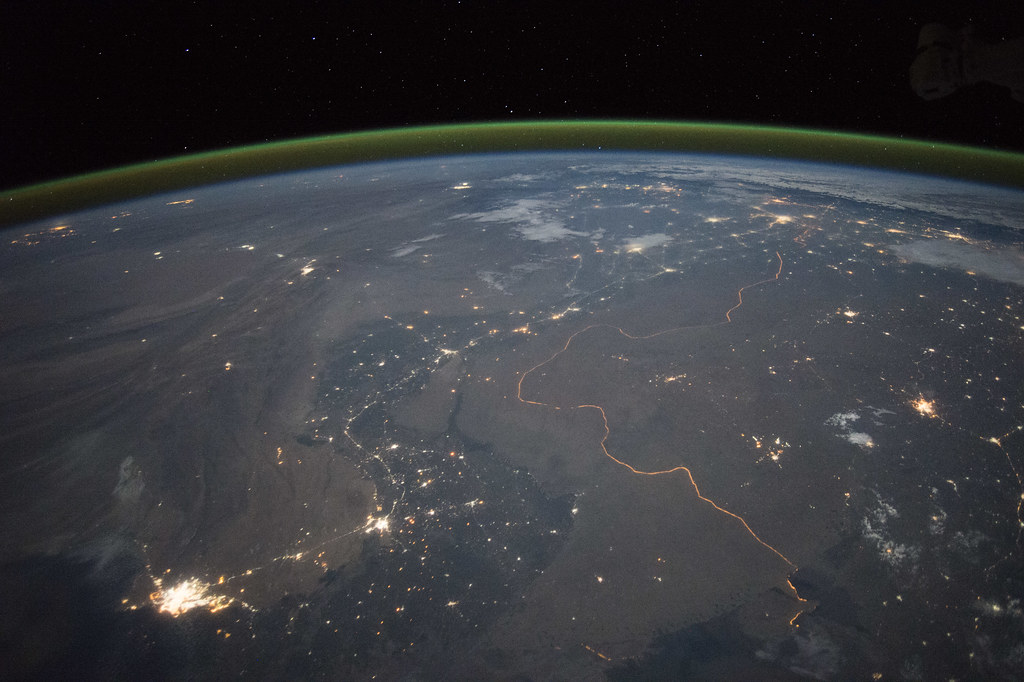
Pakistan astronaut space station mission marks a significant milestone in international space collaboration.
Overview of the Mission
The recent launch of a crewed spaceship by China marks a significant milestone for Pakistan as it sends its first astronaut to a space station. This mission not only highlights the growing collaboration between the two nations but also showcases Pakistan’s ambitions in space exploration.
The astronaut is expected to conduct various scientific experiments aboard the space station, contributing to advancements in technology and research. The mission aims to foster greater cooperation in space science, with potential benefits in areas such as climate monitoring and disaster management.
Key objectives of the mission include:
- Conducting research in microgravity.
- Enhancing international partnerships in space exploration.
- Inspiring future generations of scientists and engineers in Pakistan.
The participation of a Pakistani astronaut in this mission signifies a significant step forward in the country’s aspirations, making the Pakistan astronaut space station launch a smart move for the future.
Significance of the Pakistan Astronaut
The launch of the first Pakistan astronaut to the space station marks a significant milestone for the nation and its aspirations in space exploration. This historic event not only symbolizes technological advancement but also fosters international collaboration.
With a growing interest in space science, the presence of a Pakistani astronaut in a Chinese space station demonstrates the potential for enhanced scientific research and innovation. The mission is expected to inspire the youth of Pakistan, encouraging them to pursue careers in STEM fields.
Moreover, it opens up opportunities for Pakistan to participate in global space initiatives, sharing knowledge and resources. The partnership with China in this endeavor reflects a strategic alignment, strengthening ties between the two nations.
In summary, the launch of the Pakistan astronaut to the space station is a smart move that highlights the importance of space exploration for national pride and international cooperation.
China’s Space Program Developments
China’s recent advancements in space exploration have garnered international attention, particularly with the launch of a crewed spaceship carrying the first Pakistani astronaut to its space station. This milestone reflects not only China’s growing capabilities in space travel but also its commitment to international collaboration.
The mission serves multiple purposes:
- Strengthening Ties: The partnership between China and Pakistan is set to deepen, fostering collaborative efforts in technology and research.
- Knowledge Exchange: The presence of a Pakistani astronaut in space allows for valuable knowledge transfer that can benefit both nations.
- Inspiration: This launch is expected to inspire a new generation of scientists and engineers in Pakistan, emphasizing the importance of STEM fields.
As the Pakistan astronaut embarks on this historic journey, the implications for future missions and joint space endeavors are promising, marking a pivotal moment in the evolution of the Pakistan astronaut space station narrative.
Future of International Space Missions
The future of international space missions is poised for transformation, particularly with the involvement of nations like Pakistan. The recent launch of a crewed spaceship carrying the first Pakistani astronaut to China’s space station marks a significant milestone in this evolution. As countries collaborate on space exploration, the potential for shared knowledge and technology becomes increasingly apparent.
Pakistan’s participation in this mission not only elevates its status in the global space community but also opens doors for future endeavors. The successful integration of Pakistani expertise into international space projects could lead to:
- Enhanced collaborative research: Joint missions can focus on scientific discoveries beneficial to all participating nations.
- Increased funding opportunities: Participation in international missions may attract investments in Pakistan’s own space program.
- Development of local talent: Training astronauts and engineers will foster a new generation of experts in the field.
As the landscape of space exploration evolves, the role of the Pakistan astronaut in the space station signifies a smart move toward a more inclusive future for international missions.
Technology Used in the Launch
The recent launch of a crewed spaceship carrying Pakistan’s first astronaut to the space station showcases an impressive array of advanced technologies. Central to this mission’s success is the use of China’s Shenzhou spacecraft, known for its reliability and precision in delivering astronauts to orbit.
Key technologies utilized in the launch include:
- Reusable rocket systems that enhance cost-effectiveness and sustainability.
- Advanced life support systems ensuring the safety and well-being of astronauts during the journey.
- Satellite communication technology for real-time data transmission between the spacecraft and ground control.
- Automated docking mechanisms that facilitate seamless integration with the space station.
This mission not only highlights Pakistan’s growing involvement in space exploration but also reinforces its partnership with China, paving the way for future collaborations in the realm of space technology.
Reactions from the Space Community
The recent launch of a crewed spaceship carrying the first Pakistan astronaut to its space station has sparked a wave of reactions from the global space community. Experts and enthusiasts alike have expressed excitement over this historic milestone.
- Support from Space Agencies: Various space agencies have applauded the collaboration between Pakistan and China, recognizing it as a step towards fostering international cooperation in space exploration.
- Scientific Community Response: Scientists have noted the potential for joint research initiatives that could emerge from this mission, enhancing our understanding of space science.
- Public Enthusiasm: Social media platforms have been flooded with positive remarks, with many celebrating Pakistan’s advancements in space technology and expressing pride in its astronaut.
- Future Prospects: Analysts are hopeful that this mission will pave the way for more Pakistani involvement in future international space missions, further elevating the country’s position in the global space arena.
This mission marks a significant leap for Pakistan’s aspirations in the field of space exploration.
Next Steps for the Crew
As the mission progresses, the next steps for the crew aboard the space station are crucial for the success of the historic launch. The Pakistan astronaut will undergo a series of training sessions designed to prepare them for the unique challenges of living and working in space.
The crew’s immediate tasks include:
- Familiarization with the Space Environment: Understanding the effects of microgravity and adapting to life aboard the space station.
- Scientific Experiments: Conducting experiments that could benefit both Pakistan and the global scientific community.
- Collaboration with International Crew: Working alongside astronauts from other nations to foster international cooperation in space exploration.
This mission not only marks a significant milestone for Pakistan but also highlights the importance of collaboration in advancing humanity’s reach into space. As the Pakistan astronaut settles in, the world watches eagerly to see the contributions they will make aboard the space station.
The recent announcement of the Pakistan astronaut space station launch has sparked excitement among the scientific community. Many experts believe that the Pakistan astronaut space station will enhance the country’s capabilities in space exploration and research.
By NASA Goddard Photo and Video via Openverse
References
Related stories
- China space mission: Exciting launch with Pakistan’s astronaut
- Foreign astronaut joins Chinese crew: Is this the best mission?
- Is Billions Network the Best AI Verification Layer?