

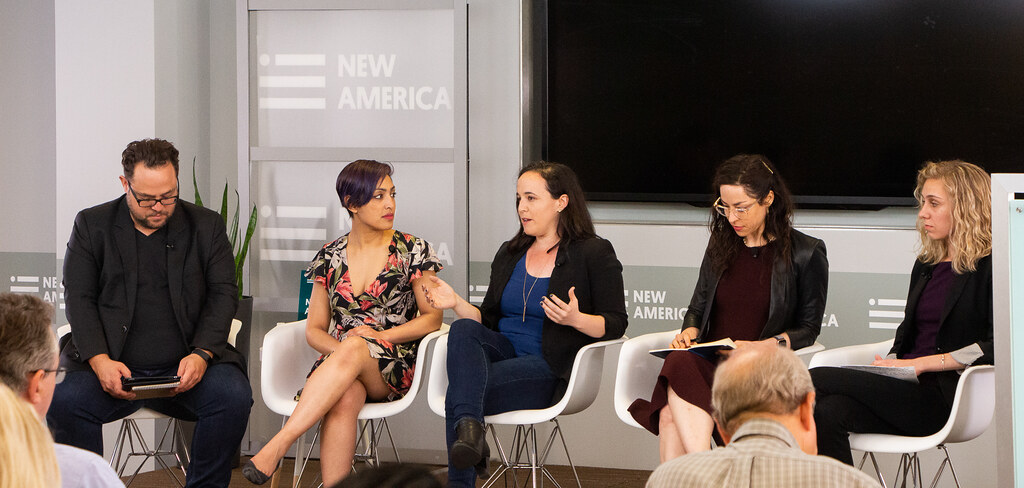
AI policy for schools is being introduced to equip students with essential skills. The initiative aims to integrate AI fundamentals in Classes VI–XII from the next academic year.
Overview of the AI policy
The newly introduced AI policy for schools aims to integrate artificial intelligence fundamentals into the curriculum for students in Classes VI–XII. This initiative is designed to equip the younger generation with essential skills and knowledge in a rapidly evolving technological landscape.
The state government has recognized the importance of AI in various sectors, leading to the development of this comprehensive policy. By introducing AI concepts at an early age, the initiative seeks to foster critical thinking and innovation among students. The curriculum will cover a range of topics, including:
- Basic principles of artificial intelligence
- Ethical considerations surrounding AI technology
- Practical applications of AI in everyday life
- Hands-on projects to enhance understanding
This approach not only prepares students for future careers in technology but also encourages responsible use of AI tools. Educators will receive training to effectively deliver this new content, ensuring that students gain a solid foundation.
As schools implement this AI policy, it is expected to promote a culture of innovation and creativity, ultimately shaping future leaders who are well-versed in the implications and opportunities presented by artificial intelligence.
Importance of AI in education
The integration of artificial intelligence (AI) in education has become increasingly important as technology advances. Schools are now recognizing the significance of an AI policy for schools that outlines how to effectively incorporate AI tools and methodologies into the curriculum. This strategic approach not only prepares students for a technology-driven future but also enhances their learning experiences.
One of the key benefits of AI in education is its ability to provide personalized learning opportunities. With AI-driven platforms, educators can tailor lessons to meet the individual needs of students, allowing for a more effective learning environment. Additionally, AI can assist teachers in identifying areas where students may be struggling, enabling timely interventions.
Moreover, the introduction of AI fundamentals in the classroom promotes critical thinking and creativity among students. As they engage with AI technologies, learners develop essential skills that are increasingly relevant in today’s job market. Schools that adopt a forward-thinking AI policy for schools can foster an innovative mindset, encouraging students to explore and experiment with new ideas.
Finally, implementing an AI policy can help educators stay informed about the latest advancements in technology, ensuring that teaching methods remain relevant and effective. This commitment to continuous improvement ultimately benefits both teachers and students.
AI policy for schools: Key features
The newly introduced AI policy for schools outlines several key features that aim to enhance the educational experience for students in Classes VI–XII. These features are designed to ensure that students not only understand AI concepts but also apply them effectively in real-world contexts.
- Curriculum Integration: The AI policy for schools emphasizes the incorporation of AI fundamentals into existing subjects, allowing students to see the relevance of AI across various disciplines.
- Hands-on Learning: Interactive workshops and practical sessions will be organized to facilitate hands-on experience with AI tools and technologies, fostering creativity and innovation among students.
- Teacher Training: Specialized training programs for educators will be established to equip them with the necessary skills and knowledge to teach AI concepts effectively.
- Ethics in AI: A critical component of the policy is to ensure that students are educated about the ethical implications of AI, promoting responsible usage and critical thinking.
- Partnerships with Industry: Collaborations with tech companies will be encouraged to provide students with exposure to real-world applications of AI, enhancing their learning experiences.
These key features of the AI policy for schools aim to prepare students for a future where AI will be an integral part of their personal and professional lives.
Implementation timeline for AI fundamentals
The implementation timeline for integrating AI fundamentals into school curricula is designed to ensure a smooth transition for educators and students alike. With the new AI policy for schools set to roll out, key milestones have been established to facilitate this process.
Starting next academic year, the following phases will be enacted:
- Phase 1: Training and Development (Month 1-3) – During this initial phase, teachers will receive comprehensive training on AI concepts and tools. Workshops and online resources will be provided to equip educators with the necessary skills.
- Phase 2: Curriculum Integration (Month 4-6) – Schools will begin to incorporate AI fundamentals into existing subjects, specifically targeting Classes VI to XII. Educational materials will be adapted to include real-world applications of AI.
- Phase 3: Pilot Program (Month 7-9) – Selected schools will implement a pilot program to assess the effectiveness of the new curriculum. Feedback will be gathered from both teachers and students to refine the approach.
- Phase 4: Full Implementation (Month 10-12) – Following successful evaluation, the AI policy for schools will be fully adopted across all participating institutions, ensuring that students receive a modern education aligned with future job market demands.
This structured timeline aims to provide a clear pathway for the successful introduction of AI in education.
Future of AI in Indian classrooms
The future of AI in Indian classrooms is poised for a transformative change as the newly launched AI policy for schools aims to integrate artificial intelligence into the educational framework. With the introduction of AI fundamentals for students from Classes VI to XII in the upcoming academic year, educators and students alike are preparing to embrace this technological shift.
As part of the implementation of this policy, schools will focus on equipping students with essential skills needed for a digital future. The AI curriculum will emphasize not only technical competencies but also critical thinking, creativity, and ethical considerations surrounding technology use.
Key aspects of this future-oriented approach include:
- Curriculum Development: Schools will develop age-appropriate content that aligns with the AI policy for schools, ensuring students have a foundational understanding of AI concepts.
- Teacher Training: Educators will receive specialized training to effectively teach AI fundamentals, ensuring they are well-prepared to guide students through this new learning landscape.
- Integration of Technology: Classrooms will incorporate AI tools and resources that enhance the learning experience and promote interactive engagement.
As Indian schools embark on this journey, the potential of AI to enrich educational experiences and foster innovation among students appears limitless.
By New America via Openverse
References
- Samsung Galaxy Z Fold 8 deal: Is it the best price now?
- Chandrayaan-1 launch: What Makes It the Best Space Mission?
- Flower Shop Simulator: Is BloomTale the Best New Game?
 Michael Ramos