

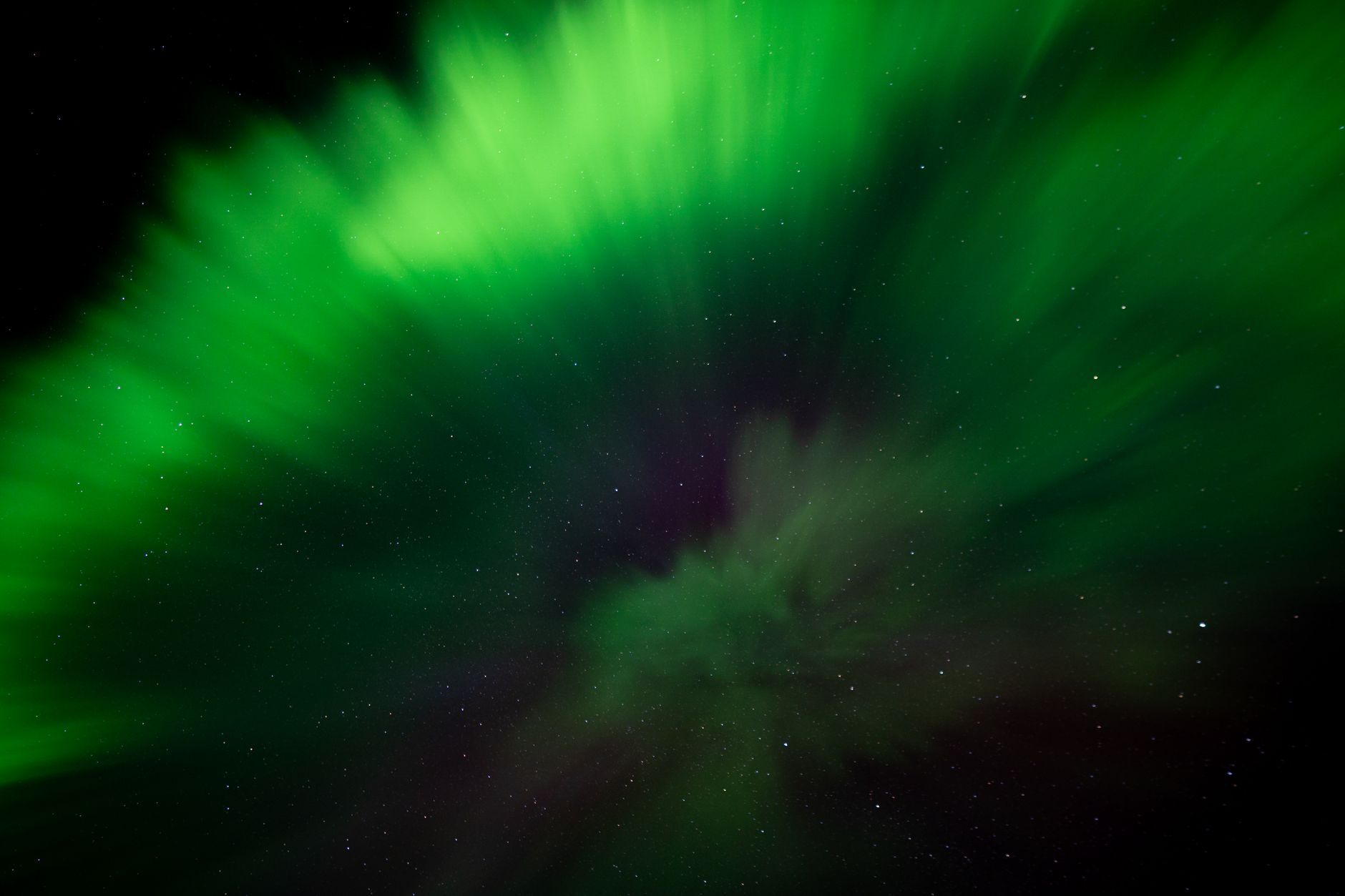
First Green Star is a groundbreaking discovery that adds a vibrant hue to the Milky Way’s stellar composition. This finding opens new avenues in our understanding of the universe.
What is a Green Star?
A Green Star is a newly identified type of star that has been gaining attention for its unique characteristics and role in the universe. Unlike traditional stars that are classified based on their temperature and luminosity, Green Stars are distinguished by their specific spectral features and chemical composition. These stars emit a distinctive green hue, setting them apart in the vast expanse of the Milky Way.
The discovery of the First Green Star marks a significant milestone in astrophysics, as it challenges existing theories about stellar evolution and classification. Researchers have noted that the presence of such stars could offer insights into the formation and development of galaxies. The unique properties of Green Stars suggest they may exist in a transitional phase, potentially evolving into different types as they age.
Some key characteristics of Green Stars include:
- Color: A distinct greenish tint that differentiates them from other star types.
- Composition: A unique blend of elements that contributes to their unusual spectral lines.
- Location: These stars have been found in various regions of the Milky Way, indicating a broader presence than previously thought.
As research continues, the implications of the First Green Star discovery may reshape our understanding of stellar life cycles and the diversity of the cosmos.
The Significance of Stellar Colors
The discovery of the First Green Star has ignited discussions among astronomers regarding the significance of stellar colors in understanding the universe. Stars emit light in various wavelengths, which results in a spectrum of colors visible from Earth. Each color signifies different characteristics, such as temperature and age, making stellar color a vital tool for astronomers.
Stellar colors can be categorized into several types, including:
- Red Stars: Typically cooler and older, red stars are often found in the later stages of stellar evolution.
- Blue Stars: These are hot and young, burning brightly but with shorter lifespans compared to their red counterparts.
- Yellow Stars: Including our Sun, these stars are in a stable phase of their life cycle, capable of supporting life on surrounding planets.
- Green Stars: The recent identification of the First Green Star challenges previous understandings, as no other green stars have been confirmed, raising questions about their formation and life cycle.
The First Green Star not only enriches our knowledge of stellar classifications but also prompts a reevaluation of existing theories on stellar evolution and the diversity of celestial bodies in the Milky Way.
How Stars are Classified
Stars are classified based on various criteria, including their temperature, luminosity, and spectral characteristics. The most common classification system is the Harvard spectral classification, which categorizes stars into seven primary types: O, B, A, F, G, K, and M. Each type is further divided into subclasses, allowing astronomers to refine their understanding of stellar properties.
The classification is primarily based on the absorption lines found in the star’s spectrum, which indicate the elements present and their ionization states. For instance:
- O-type stars are the hottest, with temperatures exceeding 30,000 K and are often blue in color.
- B-type stars are slightly cooler and emit a blue-white hue, with temperatures ranging from 10,000 to 30,000 K.
- A-type stars are white to bluish-white, with temperatures between 7,500 and 10,000 K.
- G-type stars, such as our Sun, are yellow and have temperatures around 5,300 to 6,000 K.
- K-type stars are orange and cooler, with temperatures from 3,900 to 5,300 K.
- M-type stars are the coolest, red in color, and have temperatures below 3,900 K.
The recent discovery of the First Green Star adds another layer to the complexity of stellar classification, highlighting the diverse range of colors that can exist within our galaxy.
Recent Discoveries in Astronomy
Recent advancements in astronomy have unveiled exciting discoveries, particularly with the identification of the First Green Star within our Milky Way galaxy. This groundbreaking find has prompted scientists to reevaluate various aspects of stellar classification.
Among the notable discoveries, researchers have utilized advanced spectroscopy techniques to analyze stellar compositions more accurately. This method allows astronomers to measure the light emitted by stars and discern their chemical makeup, leading to a better understanding of their temperature and age.
Furthermore, the emergence of new telescopes equipped with cutting-edge technology has expanded our ability to observe celestial phenomena. Observatories worldwide are reporting an increase in the discovery of stars that do not neatly fit into existing categories, such as the First Green Star.
Some of the key findings from recent studies include:
- Identification of unusual stellar colors that challenge traditional models.
- New theories about the life cycles of stars and their subsequent evolution.
- The discovery of exoplanets in previously unexplored regions of the galaxy.
This surge in discoveries not only enriches our understanding of the universe but also ignites curiosity about what other celestial wonders might be waiting to be uncovered.
Impact on Cosmology
The discovery of the First Green Star has profound implications for the field of cosmology. Traditionally, stars have been classified into distinct categories based on their color and temperature, with green stars being notably absent from observational records. This absence has limited our understanding of stellar evolution and the processes that govern star formation in the Milky Way.
Researchers now believe that the First Green Star could bridge gaps in our knowledge, offering insights into the conditions that allow for such stars to form. Its unique properties may challenge existing models of stellar life cycles, prompting astronomers to reevaluate the criteria used to classify stars. The existence of a green star could also indicate a more diverse stellar population than previously thought, leading to new hypotheses about the distribution of elements in the universe.
Furthermore, the First Green Star could serve as a benchmark for future studies. By analyzing its light spectrum and behavior, scientists can gain valuable data that could enhance our understanding of other stellar types. This discovery may ultimately reshape our perception of the Milky Way and its complex tapestry of stars, fueling further exploration and research in the cosmos.
Future Research Directions
The discovery of the First Green Star has opened new avenues for research in astrophysics and stellar evolution. As scientists delve deeper into the implications of this finding, several future research directions have emerged.
- Stellar Composition Analysis: Future studies will focus on analyzing the chemical makeup of the First Green Star. Understanding its metallicity and elemental ratios may provide insights into the conditions that led to its unique color.
- Comparative Studies: Researchers plan to identify other potential green stars within the Milky Way. By comparing these stars with standard classifications, scientists can refine their understanding of stellar color classifications and the underlying physical processes.
- Evolutionary Models: The First Green Star challenges existing models of stellar evolution. Future research will aim to integrate this discovery into theoretical frameworks, potentially leading to revisions in how stars are predicted to evolve over time.
- Impact on Cosmology: The implications of this discovery extend beyond individual stars. Researchers will investigate how green stars fit into the broader context of cosmic evolution and the formation of galaxies.
These directions not only promise to expand our knowledge of stellar phenomena but also enhance our understanding of the universe’s intricate tapestry.
Conclusion: The Milky Way’s Diversity
In conclusion, the discovery of the First Green Star has significantly enriched our understanding of the Milky Way’s diversity. Astronomers have long categorized stars based on their colors and temperatures, yet the identification of a green star challenges conventional classifications and invites further exploration. This finding highlights the complexity inherent in stellar evolution and the myriad processes that govern the lifecycle of stars.
The Milky Way is not merely a collection of stars but a vibrant tapestry woven together by various stellar phenomena. Each star contributes to our galaxy’s overall character, with their unique colors signifying different temperatures and compositions. The presence of a green star suggests that there are still mysteries waiting to be uncovered in our cosmic neighborhood.
As research continues, the implications of the First Green Star extend beyond mere classification. It encourages astronomers to rethink existing models and explore the potential for more undiscovered stellar types. The ongoing study of this phenomenon not only enhances our knowledge of the Milky Way but also poses broader questions about the universe itself.
- Continued observations will help refine stellar classification.
- Future studies may reveal more about the conditions that create such stars.
- Collaboration among astronomers worldwide will be crucial in advancing this field.
Photo by Artūras Kokorevas on Pexels
Read the original
Related stories
- SpaceX Bandwagon-5 Launch: New Delay Raises Concerns
- Is the HMD Vibe 2 Max the Best Smartphone of 2023?
- MSI Claw 8 EX AI+: The Best Laptop for Gamers