

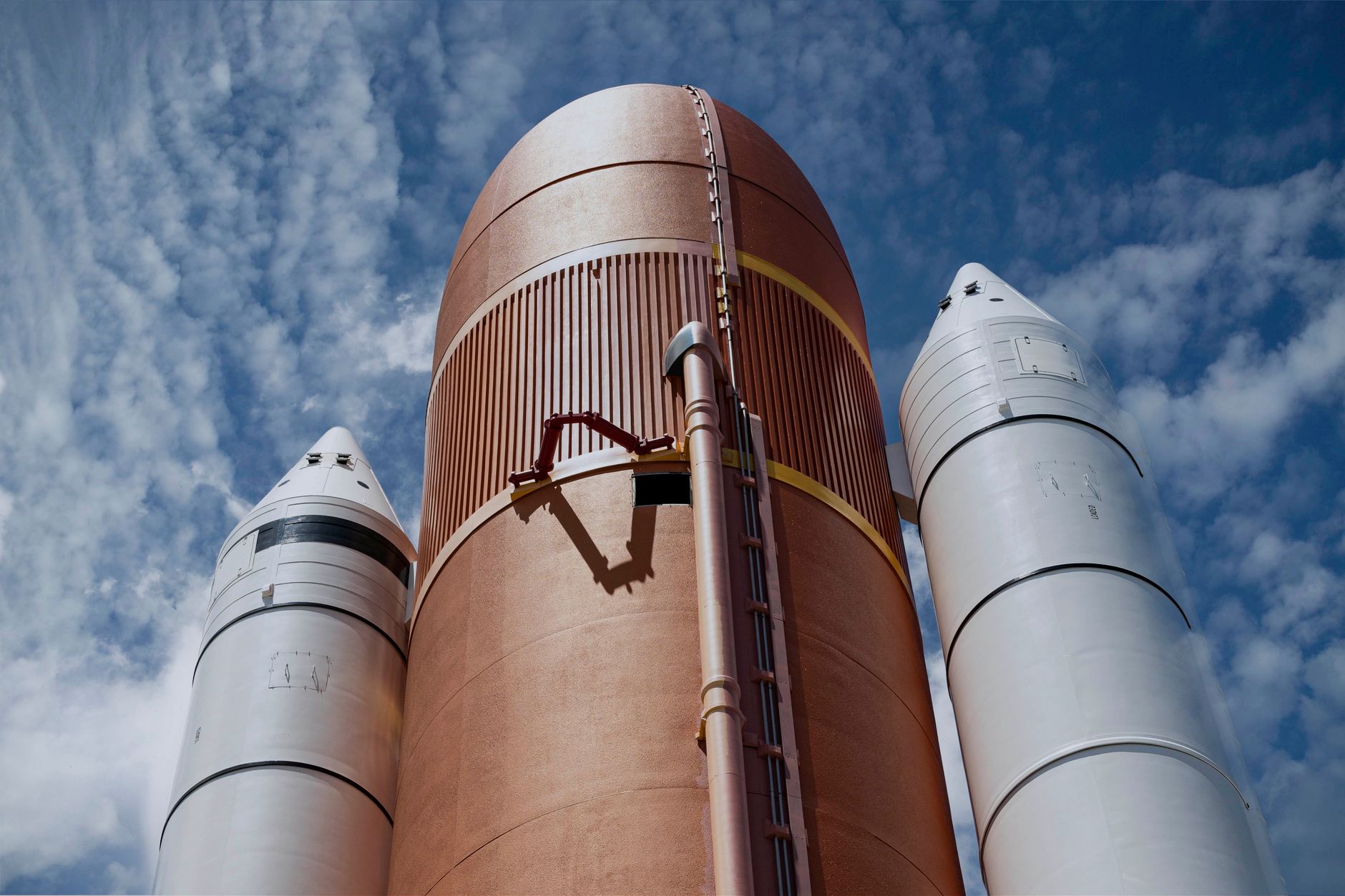
ISRO launch vehicle reliability is a critical focus following two PSLV failures. The agency is implementing modifications to restore confidence in its rocket systems.
Recent PSLV Failures and Their Impact
In recent years, the Indian Space Research Organisation (ISRO) has faced challenges with the reliability of its Polar Satellite Launch Vehicle (PSLV). Two notable failures have raised concerns within the aerospace community and among stakeholders. These incidents have prompted a thorough assessment of the PSLV’s performance and have led to significant changes in the organization’s approach to improving launch vehicle reliability.
The first failure occurred during a mission in which the rocket experienced a malfunction shortly after liftoff. This incident was a critical setback, as it resulted in the loss of several payloads, causing both financial and reputational damage to ISRO. The second failure, which was more recent, involved a misconfiguration that prevented the successful deployment of its intended satellite. These failures have emphasized the need for robust testing and validation processes for ISRO’s launch vehicles.
In response, ISRO has initiated a comprehensive review process, which includes:
- Enhanced testing protocols: Implementing more rigorous pre-launch checks and simulations.
- Modification of rocket stages: Adjusting designs and materials to increase durability and performance.
- Increased collaboration: Partnering with international space agencies to adopt best practices in launch vehicle reliability.
These proactive measures aim to restore confidence in ISRO’s PSLV program and ensure future missions achieve their objectives successfully.
ISRO’s Modifications to Enhance Reliability
In response to recent challenges, ISRO has undertaken significant modifications aimed at enhancing the reliability of its launch vehicles. These adjustments come after the noted failures of the Polar Satellite Launch Vehicle (PSLV), which have prompted the organization to reassess and refine its operational protocols.
One of the critical changes involves the detailed analysis of the failure modes identified in the two recent PSLV missions. This assessment has led to a systematic approach to improve overall launch vehicle reliability. The modifications include:
- Strengthening of the rocket stages: By reinforcing the integrity of the modified rocket stage, ISRO aims to mitigate risks associated with structural failures during launch.
- Enhanced quality control: Improved inspection processes for components have been implemented to ensure that every part meets stringent standards before assembly.
- In-depth testing protocols: Additional tests under various conditions will be conducted to evaluate the performance of the launch vehicle more comprehensively.
- Feedback integration: Lessons learned from past missions are being integrated into the design and operational strategies for future launches.
These proactive measures reflect ISRO’s commitment to maintaining a high level of launch vehicle reliability, ensuring that it continues to meet the demands of its ambitious space exploration programs.
Proven Strategies for Launch Success
In the pursuit of enhancing ISRO launch vehicle reliability, several proven strategies have been implemented to ensure the success of future missions. These strategies focus on rigorous testing, improved engineering practices, and comprehensive data analysis.
Firstly, the introduction of advanced simulation technologies allows engineers to predict potential issues before they arise. This proactive approach to problem-solving has proven effective in identifying weaknesses in the design and operational processes.
Secondly, ISRO has adopted a more robust quality assurance framework that emphasizes the importance of each component in the launch vehicle. By conducting thorough inspections and utilizing high-standard materials, ISRO aims to mitigate risks associated with component failure.
Additionally, post-launch analysis of failure incidents plays a crucial role in shaping future designs. Each failure is meticulously reviewed, and lessons learned are documented to refine engineering practices. This feedback loop ensures that past mistakes are not repeated.
Finally, collaboration with international space agencies and academic institutions has fostered knowledge exchange and innovation. By leveraging global expertise, ISRO can adopt best practices and cutting-edge technologies, further enhancing the reliability of their launch vehicles.
In conclusion, these proven strategies not only aim to restore confidence in ISRO’s launch capabilities but also position the organization as a leader in space technology, ensuring a successful trajectory for future missions.
Future of Indian Space Missions
The future of Indian space missions is increasingly promising, bolstered by ISRO’s commitment to enhancing launch vehicle reliability. As India aims to expand its presence in space exploration, the agency is focused on developing advanced technologies and methodologies that ensure higher success rates for its missions. The lessons learned from recent PSLV failures have catalyzed a re-evaluation of ISRO’s strategies, leading to innovative approaches in spacecraft design and testing.
ISRO is actively investing in research and development to explore new materials and components that can withstand the rigors of space travel. This includes:
- Upgraded propulsion systems that offer improved thrust and efficiency.
- Advanced telemetry systems to enhance data collection during launches.
- Rigorous testing protocols that simulate various launch conditions.
These advancements not only aim to rectify past failures but also seek to position ISRO as a global player in the aerospace industry. By prioritizing the reliability of launch vehicles, ISRO is setting the stage for future missions that could include ambitious projects like crewed spaceflights and interplanetary exploration.
As ISRO continues to refine its technology and processes, the expectation is that the reliability of its launch vehicles will significantly improve, ensuring successful missions that captivate the world and inspire future generations of scientists and engineers.
To enhance ISRO launch vehicle reliability, the agency has implemented rigorous testing protocols that ensure each component meets strict quality standards. By focusing on these proven steps, ISRO launch vehicle reliability can be significantly improved for future missions.
Photo by john mckenna on Pexels
References
Related reading
Zelda Ocarina Of Time Sales: Best Proven Performance in Japan · Jio Prepaid Plan: Best 3-Year Unlimited 5G Offer Revealed · OPPO A7 Ultra: Best Leak Reveals Massive 12,000mAh Battery