

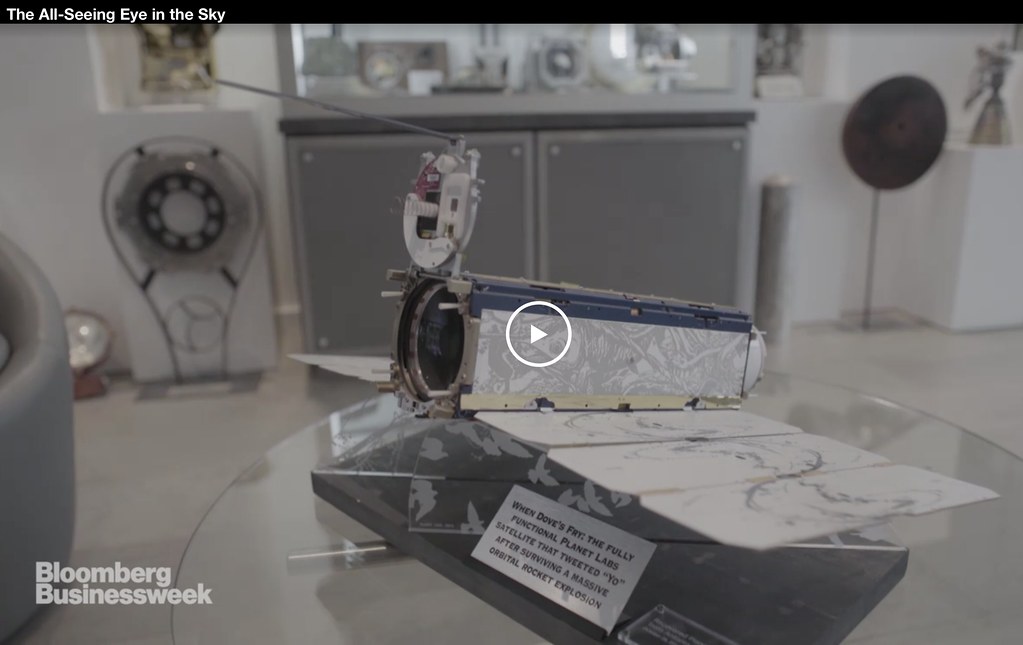
ISRO rocket launch is a significant event that highlights India’s growing capabilities in space technology. The recent launch of the next-gen satellite demonstrates proven advancements in satellite systems.
Overview of the ISRO Rocket Launch
The recent ISRO rocket launch marks a significant milestone in space technology, showcasing India’s prowess in satellite deployment. This launch is particularly noteworthy as it introduces next-generation satellite capabilities aimed at enhancing communication and data services.
ISRO, the Indian Space Research Organisation, has a rich history of developing reliable and cost-effective launch vehicles. The latest rocket, equipped with advanced technology, underscores the organisation’s commitment to innovation. Key features of the ISRO rocket launch include:
- Enhanced payload capacity: The new rocket can carry larger satellites into orbit, facilitating more robust applications.
- Improved launch reliability: Extensive testing and refinement have resulted in a launch vehicle with a high success rate.
- Eco-friendly technology: The use of green propellants minimizes environmental impact.
With this launch, ISRO continues to prove that it remains at the forefront of satellite technology, ensuring that India plays a vital role in the global space race.
Key Features of the Next-Gen Satellite
The upcoming ISRO rocket launch promises to showcase several key features of the next-gen satellite that are set to enhance its operational capabilities.
- Advanced Communication Systems: The satellite is equipped with state-of-the-art communication technology that ensures seamless data transmission over vast distances.
- Increased Payload Capacity: With improved engineering, the rocket can carry heavier payloads, allowing for more sophisticated instrumentation and larger satellite bodies.
- Enhanced Durability: Designed to withstand harsh space environments, the next-gen satellite features robust materials and systems that prolong its operational lifespan.
- High-Resolution Imaging: Incorporating cutting-edge imaging technology, the satellite can provide exceptionally clear and detailed images for various applications, including environmental monitoring and urban planning.
- Modular Design: The modular architecture enables quicker upgrades and easier repairs, ensuring the satellite remains at the forefront of technology throughout its mission.
These features underline ISRO’s commitment to advancing satellite technology and solidifying its reputation in the global aerospace community.
Impact on India’s Space Program
The recent ISRO rocket launch has significantly bolstered India’s space program, demonstrating the nation’s commitment to advancing its capabilities in satellite technology. This milestone not only showcases the best proven technologies developed by the Indian Space Research Organisation but also reflects the growing expertise in the global space arena.
With the successful deployment of next-generation satellites, ISRO is poised to enhance communication, weather forecasting, and agricultural monitoring. The improved precision and reliability of these satellites are essential for various applications, making them invaluable assets for both civilian and defense sectors.
Moreover, the launch has attracted international attention, positioning India as a key player in the global space race. This success story is expected to inspire further investments in research and development, fostering innovation within the country.
As ISRO continues to push the boundaries of space exploration, the implications of this launch extend beyond mere technological advancements, paving the way for greater collaboration and partnerships with other nations.
Technological Advancements in Satellite Design
The recent ISRO rocket launch has showcased significant technological advancements in satellite design, reinforcing India’s position as a leader in space exploration. These innovations are pivotal for enhancing the functionality and efficiency of satellites.
One of the most notable advancements is the integration of lightweight materials, which reduces the overall weight of the satellites without compromising their structural integrity. This leads to lower launch costs and increased payload capacity.
Additionally, advancements in propulsion systems have allowed satellites to achieve higher orbits and maintain better stability. The use of smart technology enables satellites to autonomously manage their operations, significantly reducing the need for ground interventions.
Moreover, the incorporation of advanced sensors and communication systems ensures that these satellites can provide better data transmission and improved imaging capabilities.
As ISRO continues to invest in research and development, the benefits of these technological advancements will not only enhance satellite capabilities but also contribute to global communication, weather forecasting, and disaster management.
Future Missions Planned by ISRO
The Indian Space Research Organisation (ISRO) has an ambitious roadmap for future missions that aims to solidify its position in global space exploration. Following the recent ISRO rocket launch, the organization is set to expand its capabilities further.
Some of the upcoming missions include:
- Chandrayaan-3: Aiming to explore the lunar surface with advanced payloads.
- Gaganyaan: India’s first crewed space mission, which will send astronauts into low Earth orbit.
- Aditya-L1: A mission planned to study the Sun, focusing on solar activities and their impact on the Earth.
- NavIC Expansion: Enhancing India’s satellite navigation system to cover more regions globally.
These missions will not only demonstrate the efficacy of the technologies developed through the ISRO rocket launch but also highlight India’s growing capabilities in the field of space science. As ISRO continues to push the boundaries, it remains committed to fostering international collaborations and contributing to global space research.
International Collaboration in Space Exploration
International collaboration has become a cornerstone of modern space exploration, significantly enhancing the capabilities of missions like the ISRO rocket launch. As countries recognize the value of shared knowledge and resources, partnerships between space agencies have flourished.
ISRO, India’s premier space agency, has actively sought collaborations with various international organizations to improve its satellite technology and enhance mission outcomes. Some key partnerships include:
- NASA: Joint research initiatives and information sharing on satellite technology.
- European Space Agency (ESA): Collaborative projects that combine expertise in satellite design and launch strategies.
- Japan Aerospace Exploration Agency (JAXA): Cooperation on satellite development and environmental monitoring.
These collaborations not only aim to bolster India’s capabilities but also contribute to global efforts in space exploration. As ISRO continues to advance its rocket launches and satellite missions, the integration of international expertise will undoubtedly play a crucial role in shaping the future of space technology.
Public Response to the Launch
The recent ISRO rocket launch has generated significant excitement among the public and space enthusiasts alike. Many citizens have taken to social media to express their admiration for the advancements made by India’s space agency.
Responses have varied, reflecting a mix of national pride and curiosity about the technology behind the launch. Comments from the public include:
- “It’s incredible to see how far ISRO has come. This launch is a testament to our capabilities!”
- “The next-gen satellite technology is impressive. I can’t wait to see its impact on communication!”
- “ISRO has truly transformed from the ‘Naughty Boy’ to a leader in space exploration.”
Moreover, experts have praised the ISRO rocket launch for its role in enhancing India’s position in the global space community. The optimism surrounding this mission reflects a growing belief in the potential of Indian technology to contribute to scientific advancements and international collaborations in space exploration.
Conclusion and Future Prospects
In conclusion, the recent ISRO rocket launch has not only demonstrated the agency’s commitment to advancing satellite technology but has also solidified India’s position in the global space community. The successful deployment of the next-generation satellite highlights ISRO’s ability to innovate and deliver on its promises, paving the way for more ambitious missions in the future.
Looking ahead, ISRO plans to expand its capabilities further, with a focus on enhancing satellite performance and reliability. This will involve:
- Developing new propulsion systems to increase efficiency.
- Implementing advanced materials that can withstand harsher space conditions.
- Collaborating with international space agencies to share knowledge and resources.
As India continues to invest in its space program, the prospects for future ISRO rocket launches appear bright. The ongoing advancements are likely to attract global partners and foster more public interest in space exploration. With each launch, ISRO showcases its reputation as a leader in satellite technology, opening doors to new possibilities for scientific research and commercial applications.
By jurvetson via Openverse
Read the original
- Budget Processing Delay: Is This the Right Move for Capital Projects?
- iPhone 18 upgrades: Are These the Best Features Coming?
- Huawei Mate X8: The Best Proven Smartphone Innovation