

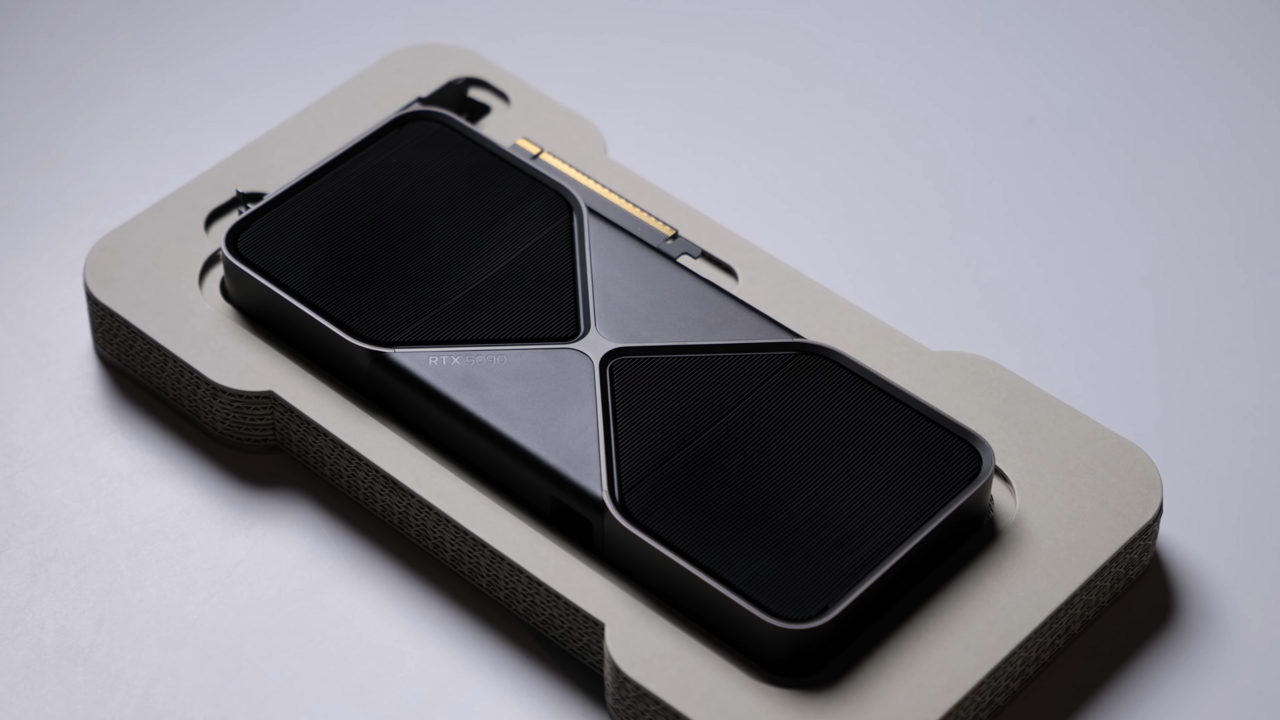
NVIDIA RTX 5090 production has reportedly been axed, leading to a diversion of GB202 chips to PRO cards. This shift leaves gamers with the RTX 5080 24 GB instead.
What Led to the NVIDIA RTX 5090 Decision?
The recent decision by NVIDIA to halt the production of the highly anticipated NVIDIA RTX 5090 has left many in the gaming community bewildered. Analysts suggest that this move was driven by a combination of market dynamics and shifting priorities within the company.
Several factors contributed to this unexpected pivot:
- Market Demand: The demand for high-performance PRO cards has surged, prompting NVIDIA to focus its resources on this lucrative segment.
- Supply Chain Issues: Ongoing challenges in sourcing components have led to difficult choices regarding which products to prioritize.
- Consumer Feedback: The gaming community’s response to previous product releases may have influenced NVIDIA’s strategy, with many gamers expressing a desire for improvements rather than a new generation.
- Competitive Landscape: Rival companies have stepped up their game, pushing NVIDIA to reevaluate its offerings and align with current trends in professional graphics.
As a result, the anticipated NVIDIA RTX 5090 will not materialize, leaving gamers with the RTX 5080 24 GB as the latest option, while the focus shifts squarely to the PRO lineup.
Impact on Gamers and the Gaming Community
The recent decision by NVIDIA to divert its GB202 chips to PRO cards instead of continuing the production of the NVIDIA RTX 5090 has sparked significant concern among gamers and the broader gaming community. Many enthusiasts were eagerly anticipating the next generation of graphics cards, expecting improvements in performance and features that the RTX 5090 promised.
Instead, gamers are left with the RTX 5080 24 GB, which, while still a powerful option, does not meet the high expectations set by the anticipation of the RTX 5090. The impact of this decision can be felt in several ways:
- Reduced Upgrades: Gamers who planned to upgrade their systems might now feel stuck with older hardware.
- Frustration Over Choices: The abrupt shift has left many questioning NVIDIA’s commitment to the gaming segment.
- Market Reaction: The decision has led to a volatile market, with stock prices and consumer confidence affected.
- Community Backlash: Forums and social media platforms are rife with discussions and concerns over NVIDIA’s direction.
As gamers await more news, the uncertainty surrounding the NVIDIA RTX 5090 and its absence continues to loom large in discussions within the community.
Comparison: RTX 5080 vs RTX 5090
The recent decision to shift focus from the NVIDIA RTX 5090 to the RTX 5080 has sparked significant debate among tech enthusiasts and gamers alike. A comparison of the two graphics cards reveals notable differences that have left many questioning NVIDIA’s strategy.
Here are some key points of comparison:
- Architecture: The RTX 5090 was expected to feature an advanced architecture, offering enhanced performance and efficiency compared to its predecessor. In contrast, the RTX 5080 may not fully leverage these advancements.
- Performance: With rumored specifications, the RTX 5090 was anticipated to outperform the RTX 5080 by a considerable margin, providing gamers with exceptional frame rates and visuals.
- VRAM: The RTX 5090 was expected to come with more VRAM, allowing for better handling of high-resolution textures and demanding applications, whereas the RTX 5080’s 24 GB may not suffice for future gaming needs.
- Target Audience: The RTX 5090 was aimed at high-end gamers and content creators, while the RTX 5080 seems to cater to a broader audience, which may dilute its appeal.
Ultimately, the decision to prioritize the RTX 5080 over the NVIDIA RTX 5090 raises questions regarding future product offerings and user expectations.
Future of NVIDIA Graphics Cards
The future of NVIDIA graphics cards appears uncertain following the recent decision to prioritize the production of PRO cards over the NVIDIA RTX 5090. This shift has left many enthusiasts and gamers questioning the company’s direction and commitment to the consumer market. As the demand for high-performance gaming GPUs continues to grow, the absence of the RTX 5090 could mark a significant turning point for NVIDIA.
Industry experts speculate that this move is not merely a reaction to market trends but a strategic choice to focus on professional applications. By diverting GB202 chips to PRO cards, NVIDIA aims to capitalize on the rising demand from creators and businesses that require powerful graphics solutions. However, this could alienate a substantial portion of its loyal gaming audience.
Many gamers have expressed frustration over the perceived neglect of the consumer segment, especially as the RTX 5080 offers only incremental upgrades. The excitement surrounding the RTX 5090 has now turned into disappointment, prompting discussions about whether NVIDIA will return to its roots in gaming graphics or continue down the path of prioritizing professional markets.
As the situation evolves, it remains to be seen how NVIDIA will balance these competing interests in the rapidly changing landscape of the graphics card industry.
Market Reaction to NVIDIA’s Move
The recent decision by NVIDIA to divert production of the RTX 5090 chips to professional cards has sparked significant market reaction. Following the announcement, analysts and investors expressed mixed feelings about the company’s future direction.
Many in the gaming community were disappointed, feeling that the focus on the RTX 5090 for professional use takes away from the needs of gamers. As one analyst noted, “This move could alienate a portion of their core audience who expects cutting-edge technology tailored for gaming.” The RTX 5080, while still a powerful option, is viewed by some as a stopgap rather than a true successor.
Investors are watching closely, as NVIDIA’s stock experienced fluctuations in the wake of the news. Some potential buyers are now reconsidering their options, with a growing sentiment that the gaming market may not be NVIDIA’s main priority moving forward.
In response, NVIDIA has emphasized that the decision is aimed at maximizing chip utilization and addressing demand in professional sectors. However, the long-term implications of sidelining the RTX 5090 could lead to a shift in brand loyalty among gamers.
As the market adapts, it remains to be seen how this strategy will impact NVIDIA’s standing in the competitive graphics card landscape.
The release of the NVIDIA RTX 5090 has sparked widespread debate among enthusiasts and professionals alike. Many argue that the NVIDIA RTX 5090’s focus on PRO cards is a misstep that could alienate gamers and casual users.
via Wikimedia Commons
Where this came from
Fitbit Edge Tracker: The Best Smart Tracker for Active Lifestyles · Unionize Gaming Studios: The Worst Fight for Change · Open Decision Models: The Best AI Trend to Watch Now