

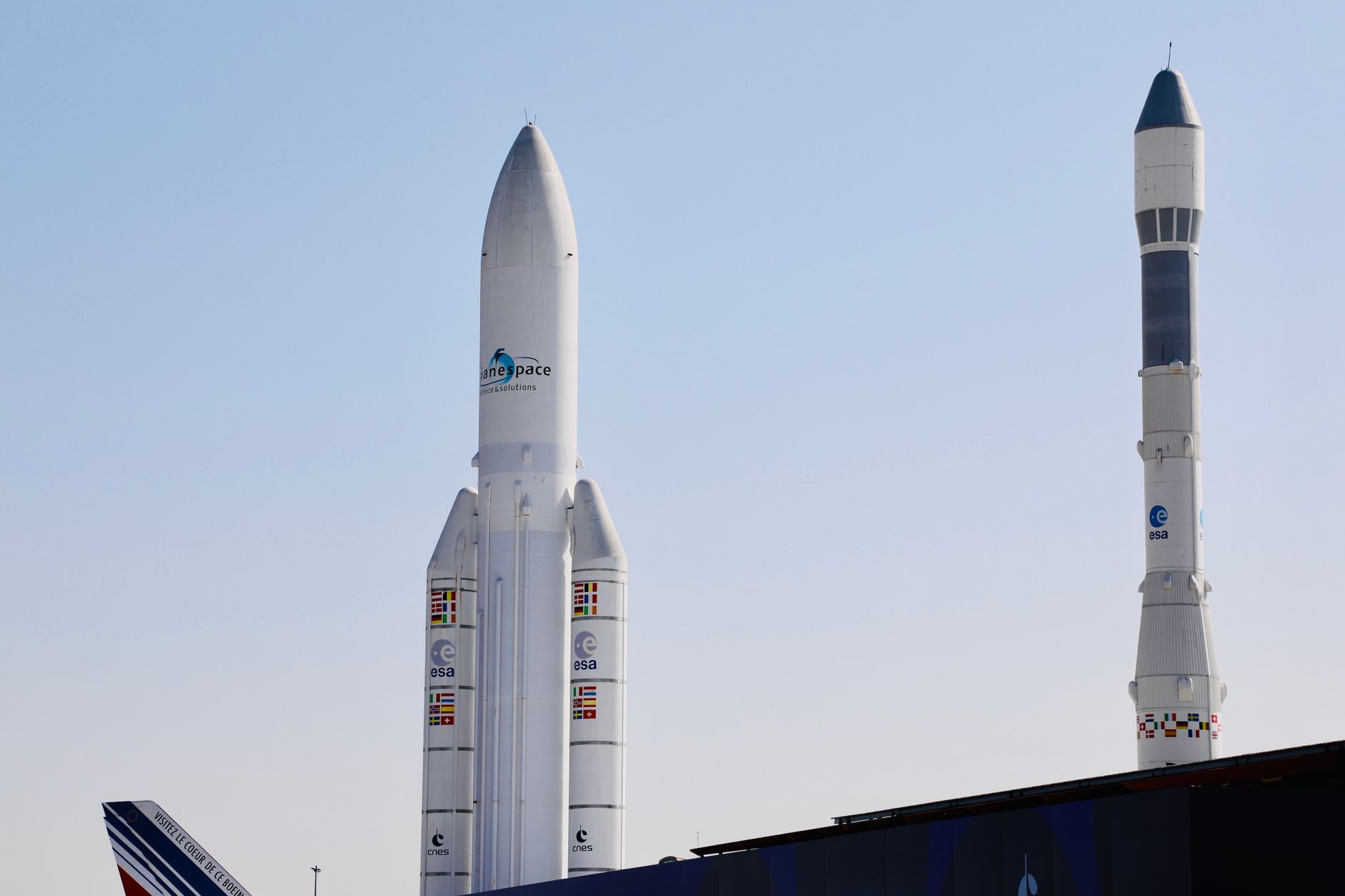
China satellite launch has successfully placed nine satellites into orbit, showcasing the country’s growing prowess in space technology and exploration.
Overview of the Launch
On October 15, 2023, China successfully launched nine satellites into space, marking a significant milestone in its expanding space program. The event showcased China’s growing capabilities in satellite technology and its commitment to enhancing global telecommunications and environmental monitoring.
The launch, executed from the Xichang Satellite Launch Center, utilized a Long March 4B rocket. This vehicle is known for its reliability and efficiency in deploying multiple payloads. Among the satellites launched, several are designed for Earth observation, contributing to advancements in climate research and disaster management.
The successful deployment aligns with China’s ambitious plans to establish a comprehensive satellite network that will enhance both national and international communication infrastructures. Experts believe this China satellite launch is potentially one of the best space achievements yet, underscoring China’s position as a key player in the global space race.
- Launch Date: October 15, 2023
- Launch Site: Xichang Satellite Launch Center
- Rocket Used: Long March 4B
Significance of the Satellites
The recent China satellite launch marks a significant milestone in the country’s space exploration efforts. With the successful deployment of nine satellites, China continues to enhance its capabilities in various fields, including telecommunications, Earth observation, and scientific research.
These satellites play a crucial role in:
- Communication: Improved connectivity for rural and urban areas, ensuring that remote regions have access to essential services.
- Weather Forecasting: Enhanced accuracy in weather predictions, which is vital for agriculture, disaster management, and daily life.
- Environmental Monitoring: Continuous observation of environmental changes, aiding in climate research and natural resource management.
- Scientific Research: Providing data for various scientific studies, contributing to a better understanding of our planet and universe.
The implications of this launch extend beyond technological advancements; they signify China’s growing position in the global space arena. As nations compete for dominance in satellite technology, China’s recent achievements are a testament to its commitment to innovation and exploration.
China’s Space Program
China’s space program has made remarkable strides in recent years, showcasing its growing capabilities in space exploration and satellite technology. The recent China satellite launch is a testament to the nation’s commitment to advancing its space ambitions.
Since the establishment of its space program, China has achieved several significant milestones, including:
- Successful manned missions with the Shenzhou program, demonstrating human spaceflight capabilities.
- The launch of the Tiangong space station, which is set to host astronauts and facilitate international collaboration.
- The Chang’e lunar missions, notably the successful landing on the far side of the Moon.
These achievements have positioned China as a formidable player in the global space arena. As the country continues to invest in advanced technologies, the implications for both scientific research and commercial applications are profound. With each successful launch, including the most recent mission that deployed nine satellites, China is not only enhancing its own capabilities but also contributing to the global understanding of space.
Technological Innovations
The recent China satellite launch showcases remarkable technological innovations that highlight the country’s advancements in space exploration. This launch, which successfully deployed nine satellites, is a testament to China’s growing capabilities in the aerospace sector.
Among the innovative features of the satellites are:
- Modular Design: The satellites are built using a modular approach, allowing for easier upgrades and maintenance.
- Advanced Propulsion Systems: New propulsion technologies enhance the efficiency and longevity of the satellites, enabling them to perform complex maneuvers in orbit.
- Enhanced Communication Equipment: The satellites are equipped with cutting-edge communication tools, improving data transmission rates and reliability.
- Earth Observation Capabilities: Equipped with high-resolution imaging technology, these satellites can monitor environmental changes and natural disasters more effectively.
Such technological advancements in the recent China satellite launch not only boost national pride but also position the country as a key player in the global space race. As these innovations unfold, they will likely influence future missions and international collaborations.
International Reactions
International reactions to the recent China satellite launch have been mixed, reflecting a range of perspectives on China’s growing capabilities in space exploration.
Many countries have expressed admiration for China’s achievements, noting the rapid advancements in its space program. Some highlights include:
- The United States: Officials have acknowledged the launch as a demonstration of China’s increasing technological prowess, but there are concerns about potential military applications of the satellites.
- Russia: Russian space authorities congratulated China, emphasizing the importance of collaboration in space exploration, while also highlighting their own recent successes.
- India: India’s space agency commended the launch, recognizing it as a competitive milestone in the global space race, and expressed interest in future collaborations.
- European Union: EU representatives noted the significance of the launch for global communications and Earth observation, advocating for a multilateral approach to space governance.
As nations reflect on these developments, the implications of this successful launch continue to resonate across the international stage.
Future Missions Planned
China’s recent satellite launch marks a significant milestone, but the nation has ambitious plans for future missions that could further cement its status in space exploration. Among the upcoming projects, the following are of particular interest:
- Next-Generation Communication Satellites: Aiming to enhance global connectivity, these satellites will be integral to China’s efforts in providing seamless communication services.
- Earth Observation Programs: Future launches will focus on environmental monitoring and disaster management, utilizing advanced imaging technologies to gather critical data.
- Deep Space Exploration Missions: China plans to send missions beyond the Moon, with objectives including the exploration of asteroids and the potential for Mars sample return.
- Collaboration with International Partners: As part of its expanding space ambitions, China seeks to collaborate with other nations for joint missions, enhancing global knowledge of space.
These future missions signify that China’s satellite launch is just the beginning of a more comprehensive strategy to advance its capabilities and influence in space exploration.
The recent China satellite launch has garnered international attention for its advanced technology and ambitious goals. Many experts believe that this China satellite launch could set a new benchmark for space exploration efforts worldwide.
Photo by Léa Claisse on Pexels
References
Seed Funding for AI: Is It the Best Investment Opportunity? · Is the Decision-Making Chatbot the Best AI Tool Yet? · Eco-Friendly Ant Removal: Simple Tips for Your Lawn